 RegOpsPro™
Outsourced Activities Operating Model™
A practical model for defining outsourced GDP activity, qualifying the contract acceptor, assigning responsibilities, controlling subcontracting, testing evidence handoffs and maintaining performance, audit and requalification oversight.
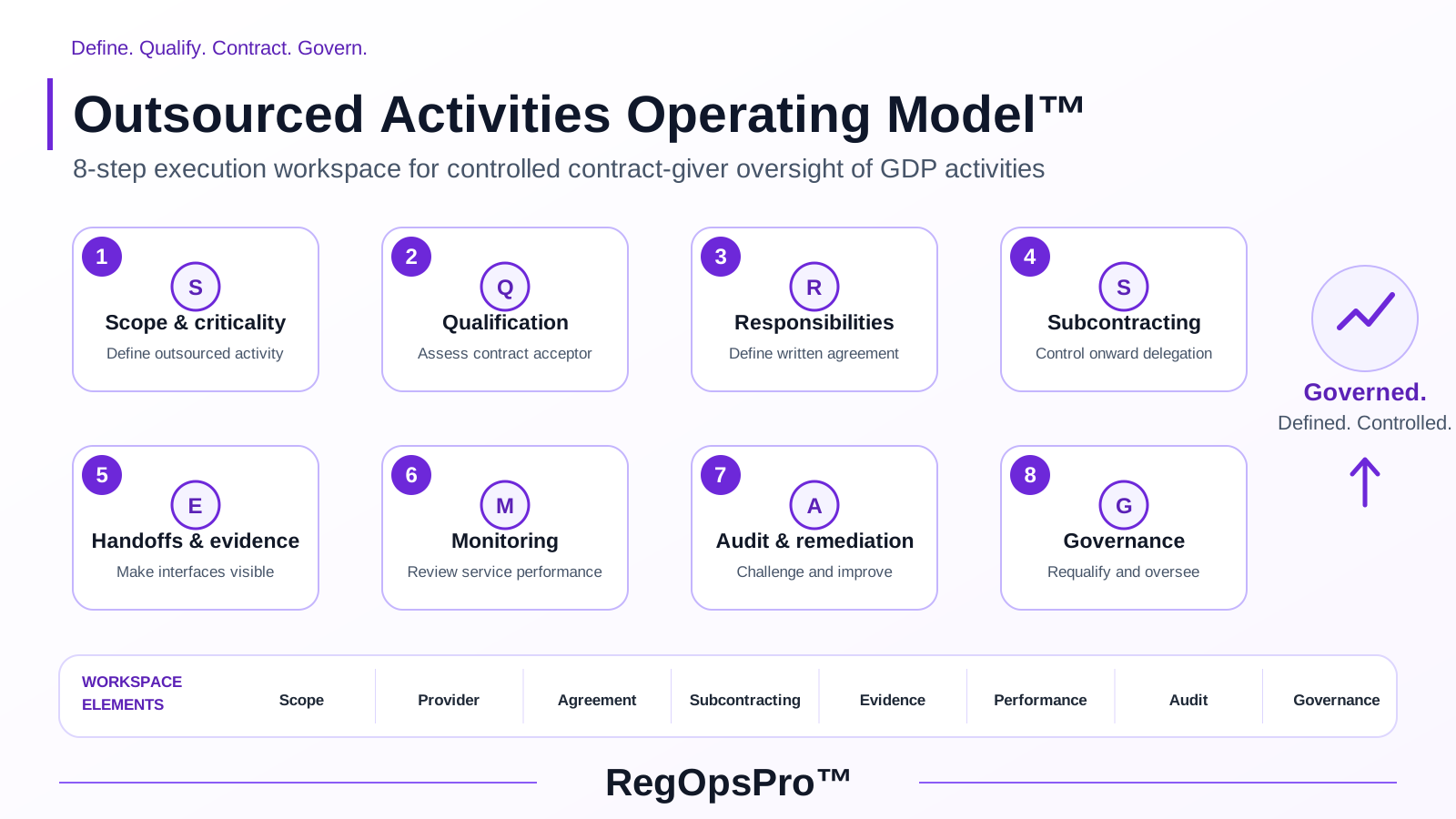
The outsourced activities execution standard
Map the actual outsourced activity, decisions, data, product flow, sites and retained accountability.
Assess the contract acceptor and translate GDP responsibilities into clear written controls.
Control subcontracting, evidence handoffs, performance, deviations and material change.
Challenge execution, remediate weaknesses, maintain continuity and requalify based on current risk.
Understand the implementation logic, good practice, common failure points and inspector challenge at each stage.
Capture detailed evidence, decision points, actions, provider oversight and QMS handoff.
Regulatory foundation and applicability
This model supports outsourced activities within a medicinal-products GDP system. The contract giver retains responsibility for assessing the contract acceptor and maintaining appropriate oversight. The exact controls depend on the outsourced activity, product risk, authorisations, sites and interfaces.
- EU Guidelines on Good Distribution Practice, 2013/C 343/01 — Chapter 7
- Medicines: good manufacturing practice and good distribution practice
- Refrigerated medicinal products, part 2
Source review: 22 September 2026. Apply current GDP requirements to the actual contract/service arrangement; supporting inspectorate commentary does not replace current primary requirements.
Put the outsourced activities model into practice
Use the Practitioner Guide™ for judgement and the Professional Workspace to build the working evidence trail.