 RegOpsPro™
Controlled Drugs Operating Model™
A practical model for classifying controlled-drug activity, confirming authority, securing custody, controlling movement and records, managing loss or destruction, and maintaining inspection-ready governance.
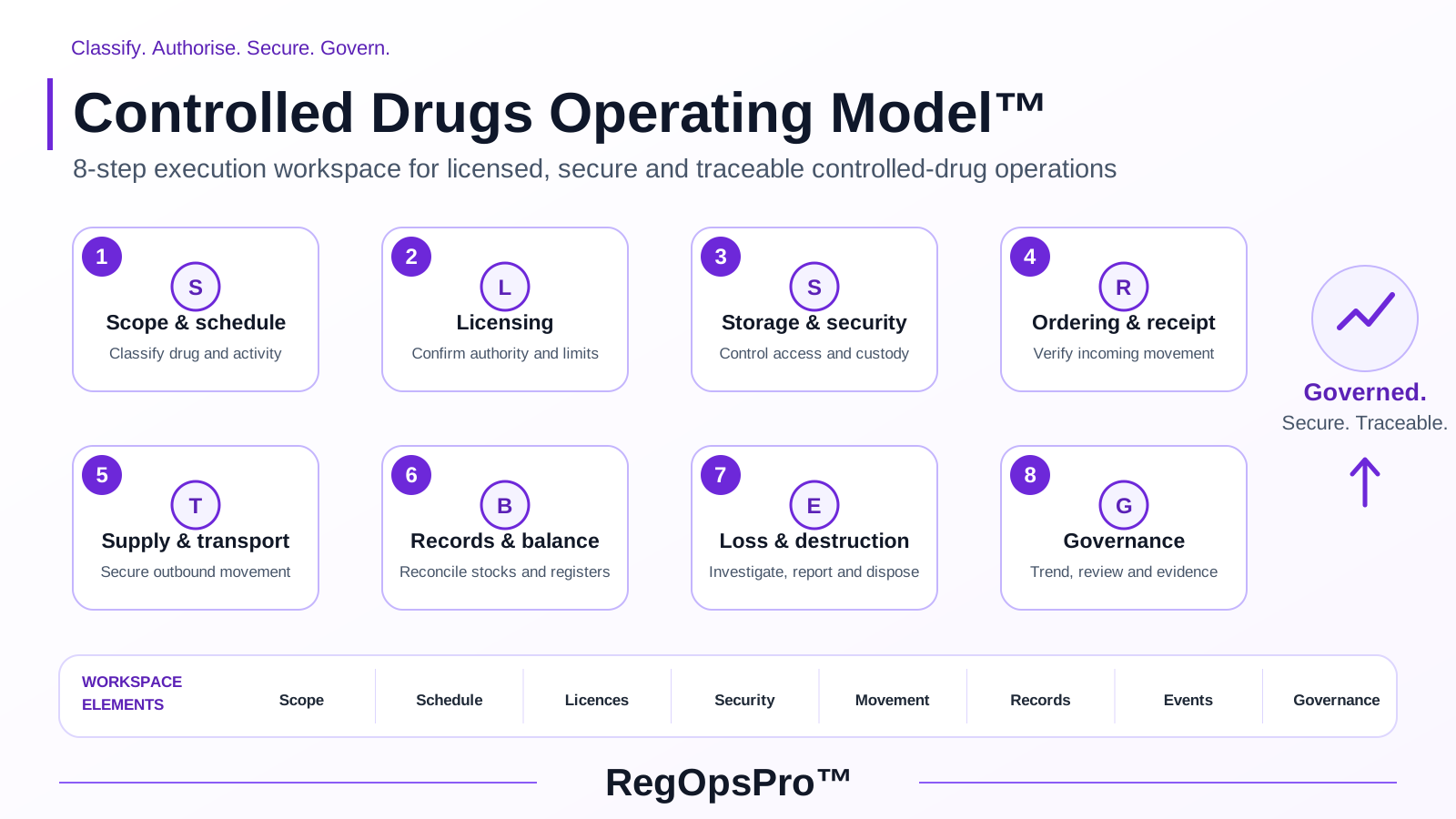
The controlled drugs execution standard
Identify substance, schedule, activity, legal entity and premises before deciding what authority applies.
Match licences, permissions, security and responsible parties to the actual activity and route.
Control access, receipt, supply, transport, custody, records, balances and exception handling.
Trend incidents, licence status, security, training, reconciliation and corrective actions.
Understand the implementation logic, good practice, common failure points and inspector challenge at each stage.
Capture the detailed control questions, evidence references, decisions, actions, working outputs and QMS handoff.
Regulatory foundation and applicability
This model supports UK medicines operations involving controlled drugs. Home Office controlled-drug requirements and medicines GDP requirements are complementary; exemptions and schedule-specific requirements must be assessed against the actual activity.
- Controlled drugs: domestic licences
- Controlled drugs: import and export licences
- Controlled drugs: standard operating procedures
- Controlled drug licensees: security advice and guidance
- Transporting controlled drugs: guidance on security measures
Source review: 22 September 2026. Confirm current legislation, licence conditions and Home Office/MHRA guidance before making an operational or licensing decision.
Put the controlled drugs model into practice
Use the Practitioner Guide™ for judgement and the Professional Workspace to build the working evidence trail.